
Jump to:
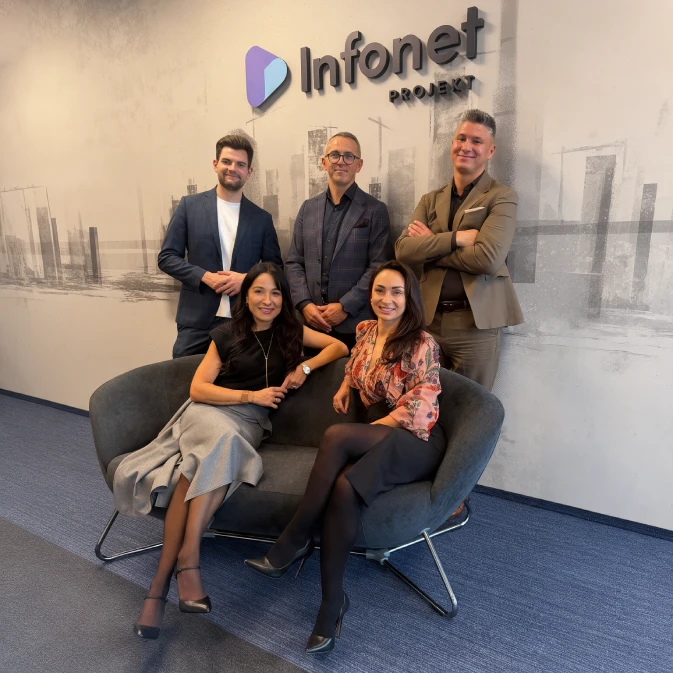
At the end of September 2026, we established technology cooperation with Infonet Projekt SA, the developer of the OXARI ITSM platform. One of the results of combining our expertise is the integration of Proget MDM and OXARI ITSM, developed by the Infonet Projekt team. It allows information about mobile devices enrolled in the Proget console to be used in the broader context of IT service, asset and process management.
This agreement is an important step in the development of Proget MDM and part of our plan to build its presence in IT environments based on multiple interoperating tools. The integration also responds to the growing need to monitor mobile devices on the same terms as the rest of an organization’s assets.
MDM and ITSM: bringing mobile devices into view
The digital infrastructure of many companies comprises not only computers, servers and network devices, but also a fleet of mobile hardware: smartphones, tablets and rugged devices. Administrators’ responsibilities therefore go beyond configuring and securing these devices – it is equally important that information about them is available in the asset inventory and when handling service requests.
This is exactly what the integration of Proget MDM with OXARI ITSM is for. Data about devices managed in Proget is automatically transferred to the OXARI platform, where it can feed the ITAM inventory and the CMDB and support Service Desk processes. “Our goal is not to develop every technology area on our own. We want OXARI to be a hub for IT service and asset management that can be extended with the best specialized solutions available on the Polish market,” explains Magdalena Idzik-Fabiańska, CEO of Infonet Projekt.
Connecting the two solutions also matters from a regulatory perspective. Cybersecurity regulations such as the EU NIS2 Directive place particular emphasis on up-to-date knowledge of all devices with access to company resources and on efficient incident handling. As part of a broader system of processes and safeguards, the integration can help organizations carry out selected activities in these areas.
Technological sovereignty requires Polish technologies to work together
The two tools also share a place of origin. Proget MDM and OXARI ITSM are developed and supported in Poland, Bielsko-Biała, and both vendors are members of the CyberMadeInPoland cluster, which brings together cybersecurity organizations.
For many companies and institutions, the domestic origin of software is no longer just a matter of preference. Increasingly, it stems from regulatory requirements, internal security policies and the pursuit of technological sovereignty, which “(…) begins with freedom of choice. That choice is only real, however, when domestic solutions are able to work together. If systems built in the country cannot be integrated, organizations will sooner or later turn to one of the global vendors, which may lead to dependence on its ecosystem and decisions,” stresses Łukasz Czernik, CEO of Proget. The interoperability of domestic solutions is as important as their functionality. It is what gives companies an alternative to global platforms.
Independence also means control over data. In this context, an additional advantage of using both technologies is that Proget MDM and OXARI ITSM can be deployed on-premise. This allows companies and institutions with the highest security requirements to retain control over their IT environment and over where data is stored and processed. When needed, they can also rely on technical support provided directly by the vendors.
One goal: a secure and well-organized IT infrastructure
The integration of Proget MDM with OXARI ITSM brings a tangible improvement to administrators’ day-to-day work – it provides a more complete view of assets and reduces the manual effort of combining information from several tools. It is also an example of how domestic technologies, though specialized in different areas, can successfully complement each other and together create a consistent IT management ecosystem.
We will share more about the integration itself soon.

Author: Agnieszka Pierlak
Marketing specialist with experience in the IT industry. Interested in issues related to cybersecurity and internal security. Privately, a lover of good literature, Asian cuisine and mountain hiking.